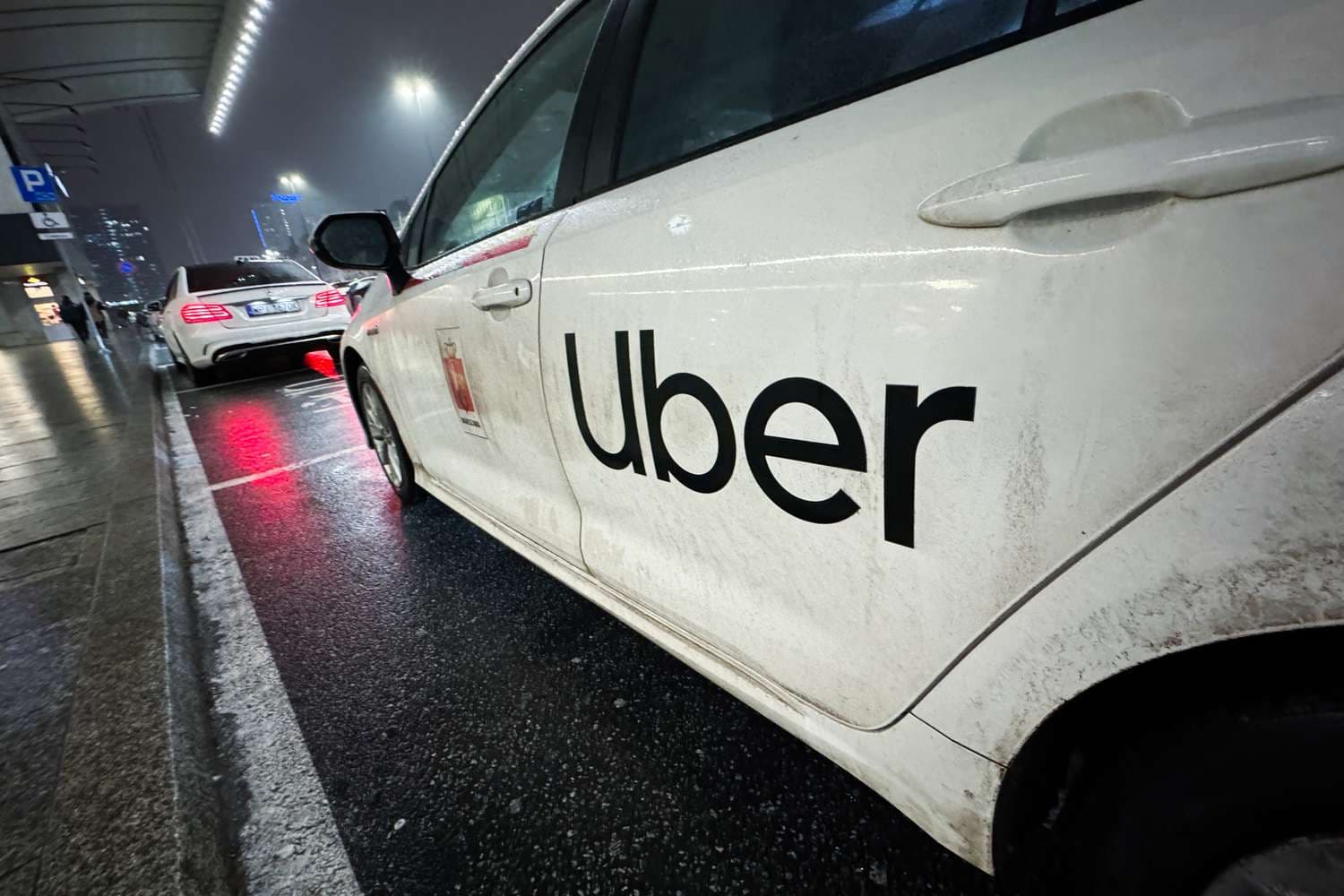
Uber is operating in South Africa without a legally required e-hailing registration certificate nearly six months after the deadline for platforms to comply with the country's new transport regulations.
South Africa's National Land Transport Amendment Act came into effect on September 12, 2025, formally recognising e-hailing services as a regulated form of public transport.
Under the new framework, e-hailing platforms were given 180 days to obtain registration certificates from the National Public Transport Regulator. The compliance period ended on March 11, 2026.
The regulations require platforms to register with authorities, while individual drivers must obtain appropriate operating licences. Vehicles are also subject to requirements covering identification, safety and other operating standards.
Uber told MyBroadband that it submitted its registration application before the deadline. Records later showed that the application was lodged on February 17, leaving less than a month before the compliance window closed.
The Department of Transport formally published notice of Uber's application on June 19, but the company had still not received its registration certificate by September 14.
Several of Uber's competitors have already completed the process. Wanatu and Bolt received their certificates before the March deadline, while InDrive and Maxim subsequently secured approval.
The situation is particularly significant because drivers cannot obtain new e-hailing operating licences for a platform that has not been registered with the regulator.
South African law also prohibits e-hailing platforms from allowing vehicles without valid operating licences to use their applications. Companies that violate these requirements can face penalties, including fines of up to R100,000.
Despite Uber's outstanding registration, the company continues operating in the country. The Department of Transport has not recently explained why Uber's application remains unresolved or why enforcement action has not been taken against the platform.
The delay leaves South Africa's largest e-hailing platform in an unusual regulatory position while competitors have successfully completed the certification process.
Uber had not provided MyBroadband with an update on the status of its application by the time the publication released its report.