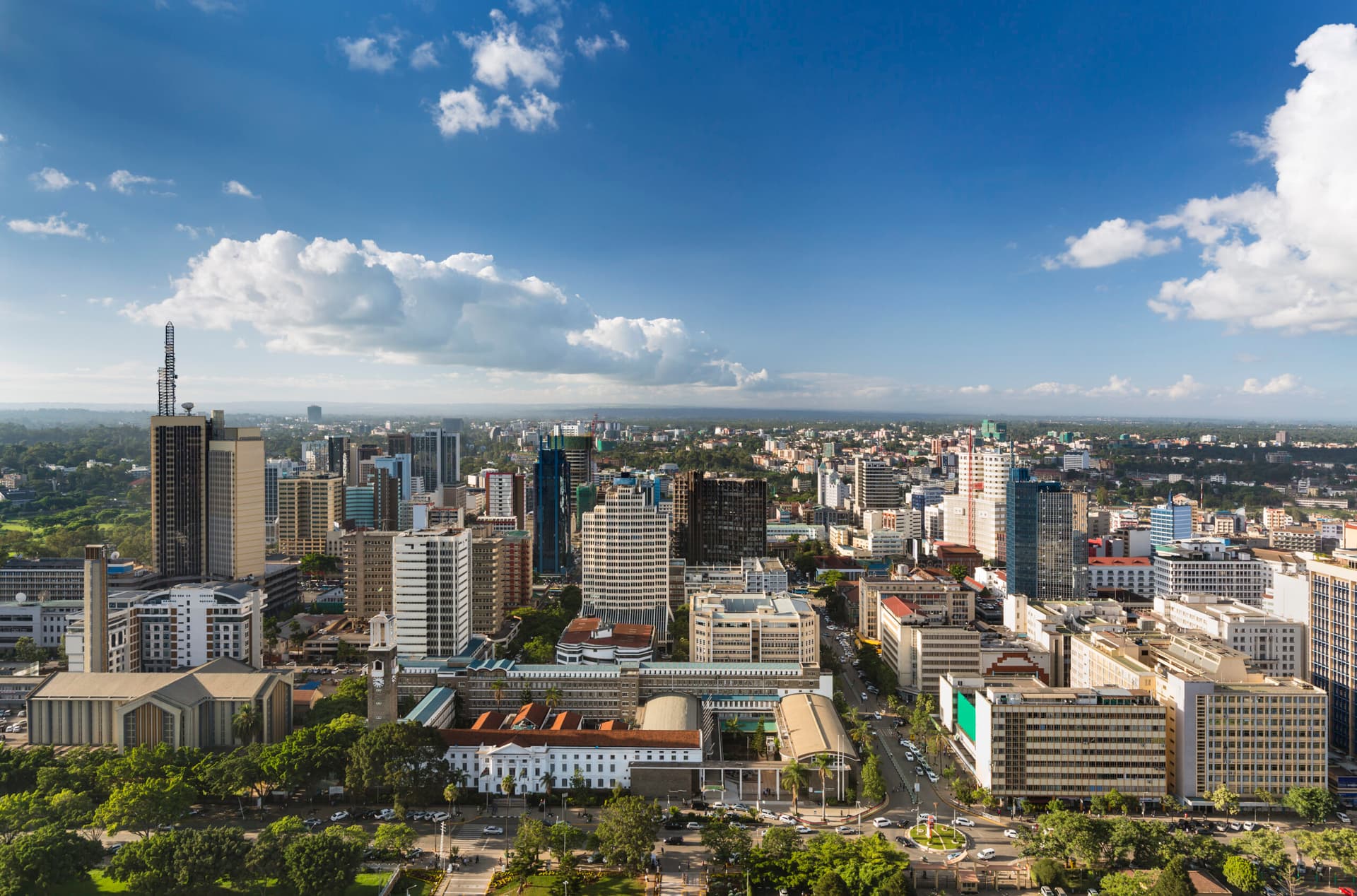
International supermarket chain Carrefour has closed its Comet House branch in Nairobi's Central Business District (CBD), four years after opening the outlet as part of its expansion into the city's commercial centre.
The closure took effect on October 31, 2026, bringing an end to operations at the Monrovia Street supermarket, which opened in November 2022. The decision comes amid growing competition between Kenya's leading retail chains as they seek to strengthen their positions in the country's formal supermarket market.
Majid Al Futtaim, the Dubai-based company operating Carrefour stores in Kenya, confirmed the closure and explained that the decision followed a routine assessment of its business operations.
The retailer said it regularly evaluates individual branches to ensure they continue meeting customer expectations and broader commercial objectives. However, the company did not disclose the specific factors that led to the closure of the Comet House outlet.
It remains unclear whether the decision was influenced by operating costs, sales performance, lease arrangements or competition from nearby supermarkets.
Carrefour also confirmed that it was supporting employees affected by the closure, although it did not disclose the number of workers involved or indicate whether they would be transferred to other branches.
Despite shutting the CBD outlet, the company maintained that Kenya remains an important market for its operations. Carrefour said it continues operating 35 stores across the country and remains committed to serving Kenyan customers.
The closure is particularly notable because the Comet House branch represented Carrefour's return to Nairobi's city centre after previously concentrating much of its expansion in suburban shopping malls.
When the store opened on November 9, 2022, it became the retailer's 19th outlet in Kenya. The company positioned the branch as a convenient shopping destination for people working in the CBD who previously had limited access to Carrefour products during their daily routines.
The supermarket offered more than 9,000 products, including groceries, fresh produce, household essentials and personal-care items. Its opening was accompanied by promotional discounts intended to attract shoppers and establish a customer base in the competitive city-centre market.
Four years later, the decision to close the outlet highlights the challenges retailers face when operating in locations where customers have several competing shopping options.
Kenya's supermarket industry has undergone significant changes over the past decade following the collapse of once-dominant chains such as Nakumatt, Tuskys and Uchumi.
Their decline created opportunities for other retailers to expand into previously occupied premises and capture customers seeking alternative shopping destinations.
Today, Naivas, Quickmart and Carrefour dominate much of the formal retail market.
According to 2025 market estimates from Sagaci Research, the three supermarket chains collectively controlled approximately 60 per cent of Kenya's formal grocery retail market.
Naivas held the largest share at 31 per cent, followed by Quickmart at 15 per cent and Carrefour at 14 per cent.
The figures demonstrate the increasingly competitive environment facing supermarket operators, particularly in Nairobi, where established chains continue opening branches and competing through pricing, convenience and product availability.
For consumers, competition can create more shopping options and promotional offers. However, retailers must also manage operational expenses while maintaining prices attractive enough to retain customers.
The challenge is especially significant in the supermarket industry, where profit margins are generally thin and businesses depend heavily on sales volumes to remain profitable.
Carrefour's decision to close one branch does not necessarily indicate financial difficulties across its Kenyan operations. The company has continued investing in its local network and has not announced a wider withdrawal from the market.
Nevertheless, the closure demonstrates that even established international retailers must continuously assess whether individual locations remain commercially viable.
For shoppers who previously relied on the Monrovia Street outlet, the closure means turning to alternative supermarkets within Nairobi's CBD or visiting other Carrefour branches.
As Kenya's retail industry becomes increasingly competitive, Carrefour's exit from Comet House illustrates the importance of location, customer demand and operational efficiency. The company remains active in Kenya, but its latest decision shows that expansion does not guarantee the long-term survival of every supermarket branch.