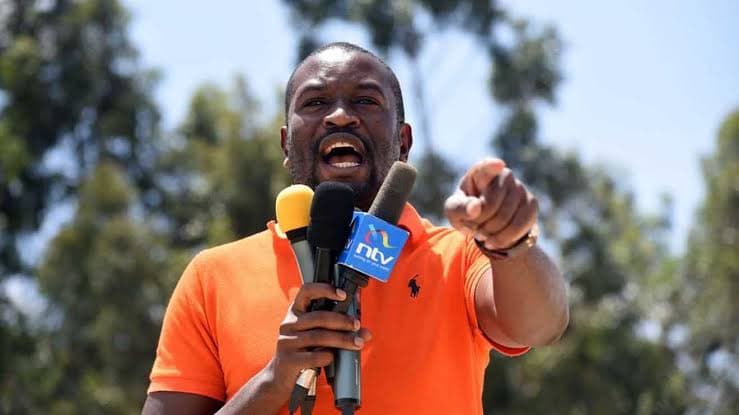
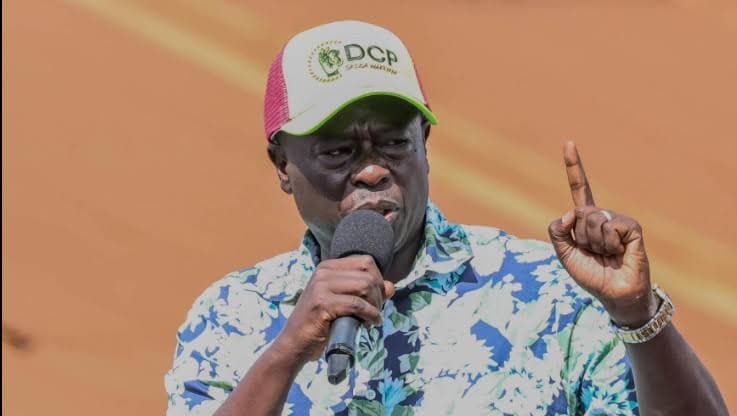
Former Deputy President Rigathi Gachagua has accused President William Ruto of allegedly directing an increase in fuel prices to raise money for political mobilisation ahead of the August 2027 General Election, intensifying their political confrontation as Kenyans brace for possible changes in pump prices.
In a statement issued on Wednesday, October 14, 2026, Gachagua claimed that the President had ordered petrol prices to increase by Sh12 per litre and diesel by Sh9. He alleged that the proposed adjustments were politically motivated rather than justified by movements in international petroleum markets.
The Democracy for the Citizens Party (DCP) leader further alleged that the additional revenue would be channelled towards political activities intended to strengthen Ruto's support ahead of the next general election. However, Gachagua did not provide publicly verifiable evidence establishing that the President had issued such instructions or that any additional fuel revenue would finance political campaigns.
Gachagua also accused Energy and Petroleum Cabinet Secretary Opiyo Wandayi of preparing to defend the anticipated increases by attributing them to rising international oil prices. He dismissed that explanation in advance, maintaining that the alleged adjustments were intended to generate funds for political purposes.
The former Deputy President additionally named Gulf Energy in his allegations, suggesting that the company would be involved in the purported arrangement. The claim remains unsubstantiated, and no evidence has been presented publicly establishing the company's involvement in political financing through fuel pricing.
His remarks come as the Energy and Petroleum Regulatory Authority (EPRA) prepares to announce maximum retail petroleum prices for the next monthly pricing cycle. The existing rates, covering September 15 to October 14, remained unchanged from the preceding review.
Under the current pricing schedule, motorists in Nairobi pay a maximum of Sh214.03 per litre of Super Petrol, Sh217.86 for diesel and Sh191.38 for kerosene. If petrol and diesel prices increased by the amounts alleged by Gachagua, the respective Nairobi prices would rise to Sh226.03 and Sh226.86 per litre, although those figures remain hypothetical pending EPRA's official announcement.
The anticipated review comes against a backdrop of increasing international petroleum costs. On Tuesday, October 13, Wandayi confirmed that the cost of importing refined petroleum products had risen significantly between August and September, partly because of disruptions affecting oil shipments and infrastructure in the Middle East.
According to the Cabinet Secretary, the landed cost of Super Petrol increased from approximately $1,199 per tonne in August to $1,385 in September. Diesel import costs also rose from about $1,200 to $1,313 per tonne during the same period.
Wandayi attributed the increases to attacks on petroleum infrastructure and disruptions to shipping routes, which have affected transportation and insurance expenses. He warned that higher import costs could influence subsequent domestic fuel price reviews.
The government has also been seeking to extend the temporary reduction in Value Added Tax on petroleum products from 16 per cent to 8 per cent for another 90 days. The measure was introduced to cushion consumers against rising international prices, with the latest extension scheduled to expire on October 14.
Wandayi said the proposed extension would help limit the impact of international price pressures on households and businesses. He also assured Kenyans that petroleum supplies remained adequate, with scheduled fuel shipments continuing to arrive despite disruptions in international markets.
Fuel prices remain politically sensitive because of their influence on transportation costs, food distribution, manufacturing and household expenditure. Increases in diesel prices can affect public transport operators and businesses that depend on road freight, potentially contributing to higher costs for consumers.
Gachagua's accusations add a political dimension to an already sensitive economic issue. Since leaving office, the former Deputy President has become an outspoken critic of Ruto's administration, frequently challenging the government's economic policies and political conduct.
His latest statement also included broader allegations concerning corruption, misuse of public resources and the government's handling of the economy. These accusations form part of the continuing political rivalry between the two leaders as the country approaches the 2027 elections.
Nevertheless, the claims about political financing remain allegations rather than established facts. Kenya's regulated pump prices are determined through a pricing framework that considers international petroleum costs, exchange rates, taxes, transportation expenses and other approved components.
As motorists await EPRA's announcement, the immediate question is whether rising international costs will translate into higher domestic pump prices and whether the government's proposed tax relief will offset some of the pressure.