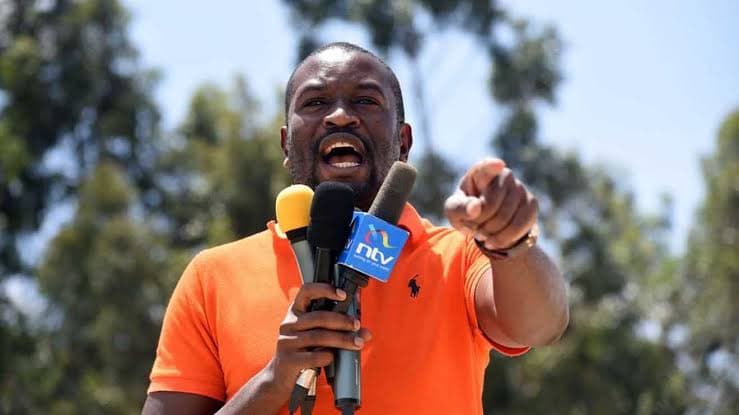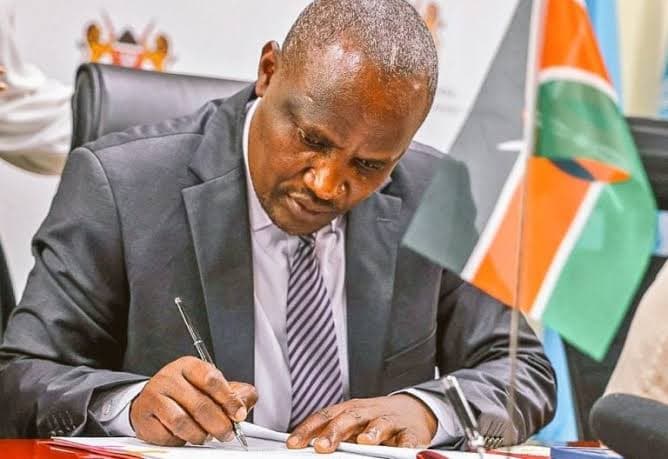
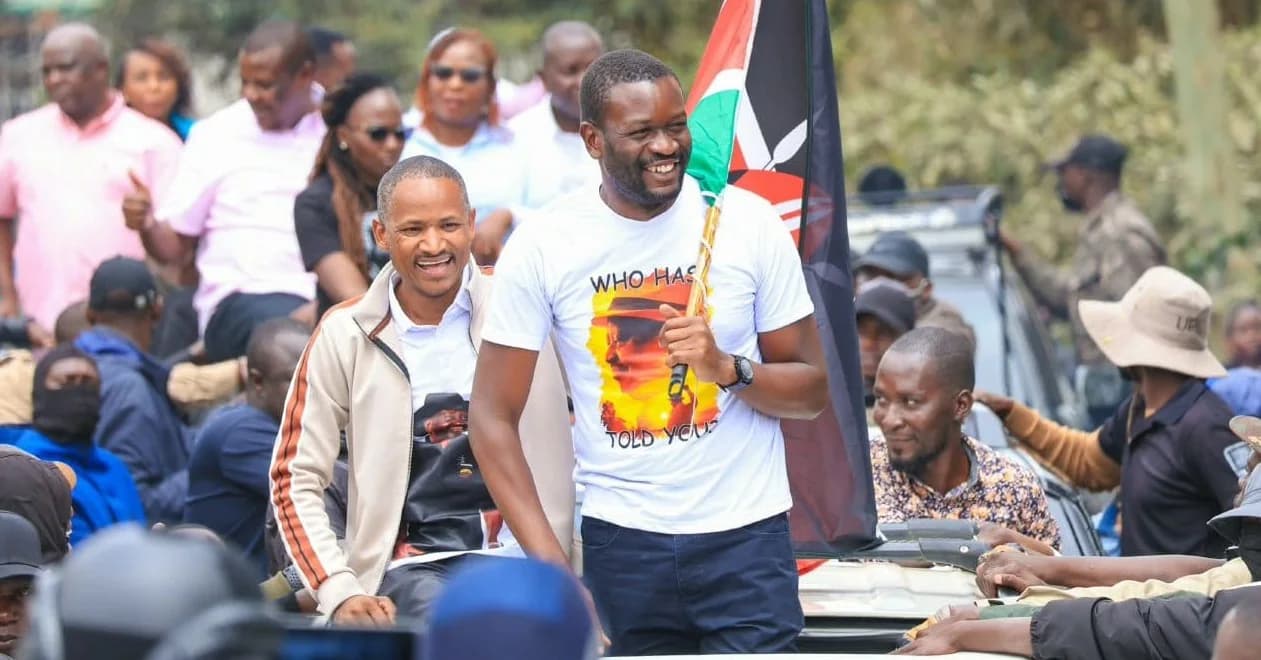
Nairobi Senator Edwin Sifuna has been selected to lead the Linda Mwananchi movement following talks among several opposition politicians seeking to establish a common political platform ahead of the 2027 General Election.
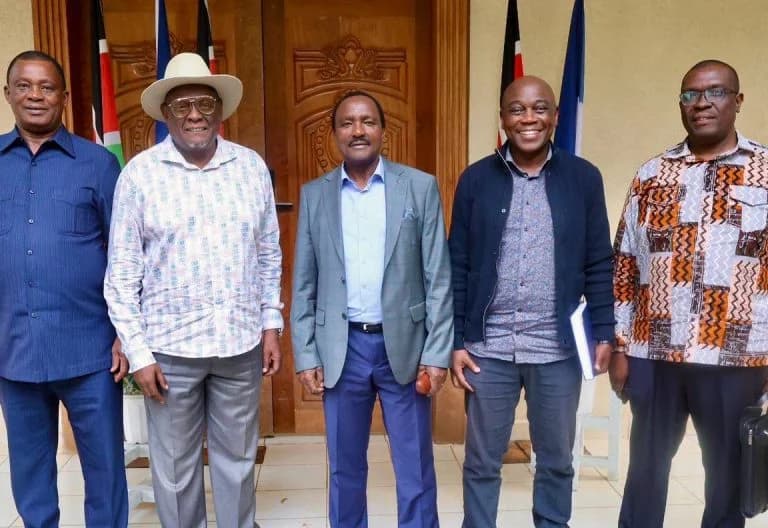
According to Kakamega Senator Boni Khalwale, Sifuna's leadership was unanimously agreed during a September 26 retreat attended by senior figures associated with the movement. Khalwale said there was no dissent over Sifuna taking the leadership role, but discussions over which political party the movement should use proved considerably more contentious.
Those at the meeting included Embakasi East MP Babu Owino, Trans Nzoia Governor George Natembeya, Vihiga Senator Godfrey Osotsi and Khalwale. The discussions were intended to provide greater clarity on the movement's leadership and the political structure through which its members would organise themselves.
Khalwale said the meeting resolved that Sifuna should lead the movement. The senator has become an increasingly prominent figure in opposition politics and has been involved in the emerging Linda Mwananchi formation following political changes within ODM.
The more difficult question concerned whether politicians participating in Linda Mwananchi should consolidate around one party or retain their existing political vehicles and cooperate through a coalition.
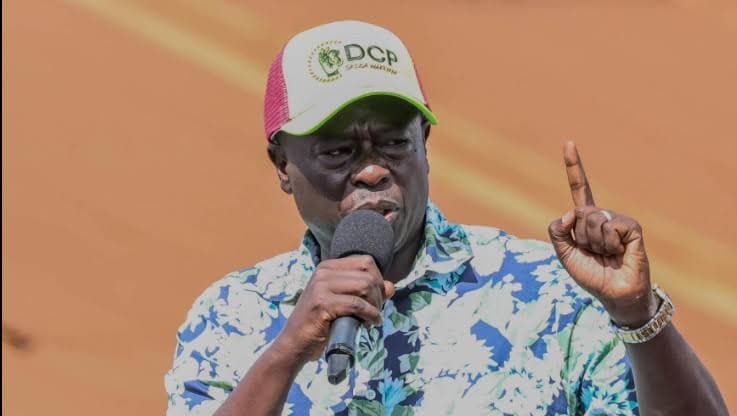
Several of the politicians involved already have separate party affiliations, complicating attempts to establish a single political organisation. Khalwale said Babu and Natembeya were among those who did not support the majority's preferred party arrangement.
Babu has been associated with The Mwananchi Party, which emerged following the renaming of Muungano Party earlier this month. Natembeya, meanwhile, has his own political affiliation and argued for retaining a separate party vehicle rather than folding everything into one organisation.
Khalwale portrayed the disagreement as a democratic difference rather than a rupture within the movement. He said the politicians who disagreed with the majority were allowed to retain their positions and that the possibility of working together through a coalition remained open.
That distinction could become important as the group attempts to transform political cooperation into an electoral structure capable of contesting the 2027 elections.
Kenyan opposition coalitions have historically brought together leaders from different parties rather than requiring everyone to abandon their organisations. Such arrangements allow politicians to preserve their local party structures while negotiating joint candidates, leadership positions and campaign strategies.
A single-party approach could potentially provide clearer leadership and branding, but it would require politicians who have already built or acquired parties to surrender some organisational independence. That appears to be one of the issues at the heart of the Linda Mwananchi discussions.
Khalwale also said Siaya Governor James Orengo favoured a unified movement party rather than a coalition arrangement, although Orengo did not attend the retreat. Khalwale attributed that position to information communicated during the meeting by Senator Osotsi.
The competing approaches show that Linda Mwananchi still has significant organisational questions to resolve despite reaching agreement on its leadership.
Sifuna's selection gives the movement a recognisable political figure around whom it can organise, but party affiliation will determine important practical issues such as nominations, electoral symbols, candidate registration and relationships with other opposition formations.
The discussions are unfolding as Kenya's opposition landscape undergoes wider reorganisation ahead of 2027. Several political leaders and groupings are positioning themselves for the next election, making questions of coalition-building, presidential candidatures and party structures increasingly important.
Linda Mwananchi will therefore need to determine whether it develops into a unified political party, operates primarily as a movement bringing together politicians from different parties, or ultimately joins a broader opposition coalition.
For now, the September retreat appears to have answered one question more clearly than the others: Sifuna will provide political leadership for the movement. How the politicians surrounding him organise themselves electorally remains a matter of negotiation.