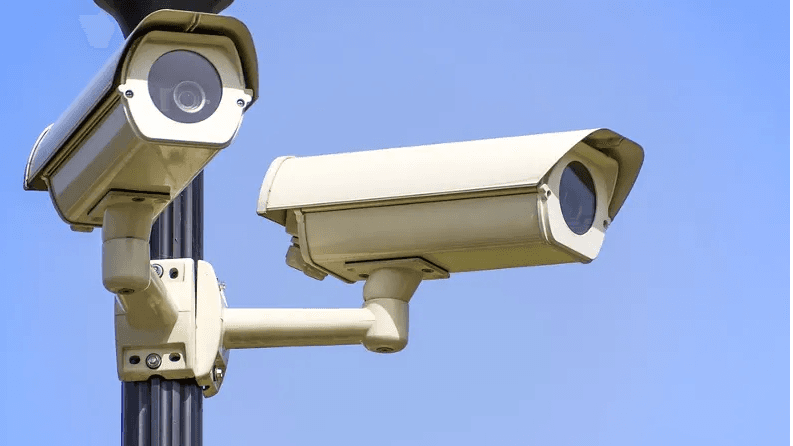
The National Transport and Safety Authority (NTSA) has installed surveillance and speed detection cameras at strategic locations along major Kenyan highways as part of a nationwide effort to strengthen traffic enforcement and reduce road accidents.
The cameras are connected to a National Command and Control Centre, allowing authorities to monitor traffic activity in real time and identify motorists violating traffic regulations. The technology is expected to improve the detection of offences, particularly speeding, which remains a major concern on Kenyan roads.
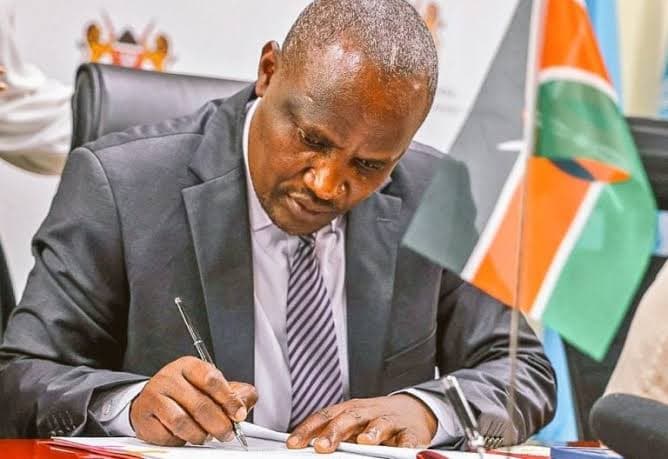
NTSA Director of Cooperatives Affairs Jacob Sisey confirmed the deployment while speaking during a fundraising event at St Francis Cheptarit Catholic Church in Nandi County. He explained that the surveillance system forms part of several interventions introduced by the authority to address the growing number of road accidents.
The announcement comes as Kenya approaches the December festive season, when increased travel traditionally places additional pressure on major highways. Thousands of motorists are expected to travel between urban centres and rural destinations, increasing the importance of road safety enforcement.
According to Sisey, the cameras will enable authorities to identify traffic violations more efficiently and respond to dangerous driving behaviour. The system is designed to support automated offence detection, reducing reliance on physical traffic checkpoints as the primary method of identifying violations.
However, NTSA has not publicly provided a comprehensive list of the locations where the cameras have been installed. The authority has also not detailed whether automated penalties will be issued directly through the system or whether additional verification procedures will apply.
The technology is being introduced against a troubling road safety record. NTSA statistics indicate that road fatalities increased from 3,875 in 2019 to more than 5,100 in 2024, highlighting the persistent dangers facing motorists, passengers, pedestrians and other road users.
Beyond the human cost, road accidents impose a significant financial burden on Kenya's economy. Estimates cited by the authority suggest that crashes cost the country approximately Sh450 billion annually through medical expenses, property damage and lost productivity.
Sisey urged motorists to observe speed limits, maintain roadworthy vehicles and ensure that all required documentation is valid before travelling. He emphasised that road safety requires responsible behaviour from all road users rather than depending exclusively on enforcement measures.
The NTSA official also raised concerns about underage driving during the ongoing school holidays. He warned that some children were operating private vehicles and commercial motorcycles without valid licences, placing themselves and other road users at risk.
Parents and guardians were urged to supervise children more closely and prevent them from accessing vehicles or participating in boda boda operations without meeting the legal requirements.
For licensed motorists, the new surveillance measures reinforce the importance of observing existing traffic laws. Under Kenya's Traffic (Minor Offences) Rules, 2016, drivers exceeding prescribed speed limits by between six and 10 kilometres per hour face a Sh500 fine.
Motorists exceeding the speed limit by between 11 and 15 kilometres per hour may be fined Sh3,000, while those driving between 16 and 20 kilometres per hour above the prescribed limit face penalties of Sh10,000.
These penalties also apply in designated 50-kilometre-per-hour zones and other locations where road signs prescribe lower speed limits.
The introduction of highway surveillance cameras reflects a broader shift towards technology-supported traffic management. Digital monitoring systems can help authorities identify dangerous driving patterns, collect evidence of violations and direct enforcement resources towards high-risk locations.
Nevertheless, the effectiveness of the initiative will depend on reliable equipment, proper implementation and consistent enforcement. Motorists will also need clear information about how recorded violations are processed and how any resulting penalties can be challenged.
As holiday travel approaches, NTSA is urging Kenyans to take personal responsibility for road safety while the authority expands its monitoring capabilities.
The new cameras represent an additional enforcement tool intended to discourage reckless driving and improve compliance with traffic regulations. Their ultimate success will be measured by whether they contribute to fewer crashes, injuries and deaths on Kenya's roads.