Plans for a multitrillion-shilling oil refinery in Lamu are facing a legal challenge just days before the project's scheduled groundbreaking, after more than 130 residents moved to court over land earmarked for the development.
The 133 residents from Chandavai are seeking court intervention over what they describe as an unlawful attempt to take over and destroy land their families have occupied and cultivated for generations. They argue that proceeding with development could displace them without adequate compensation or a clear resettlement programme.
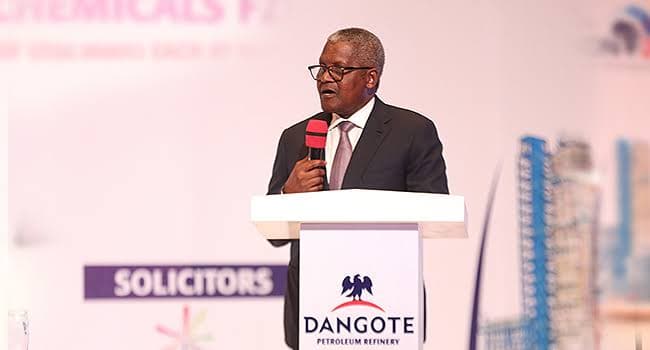
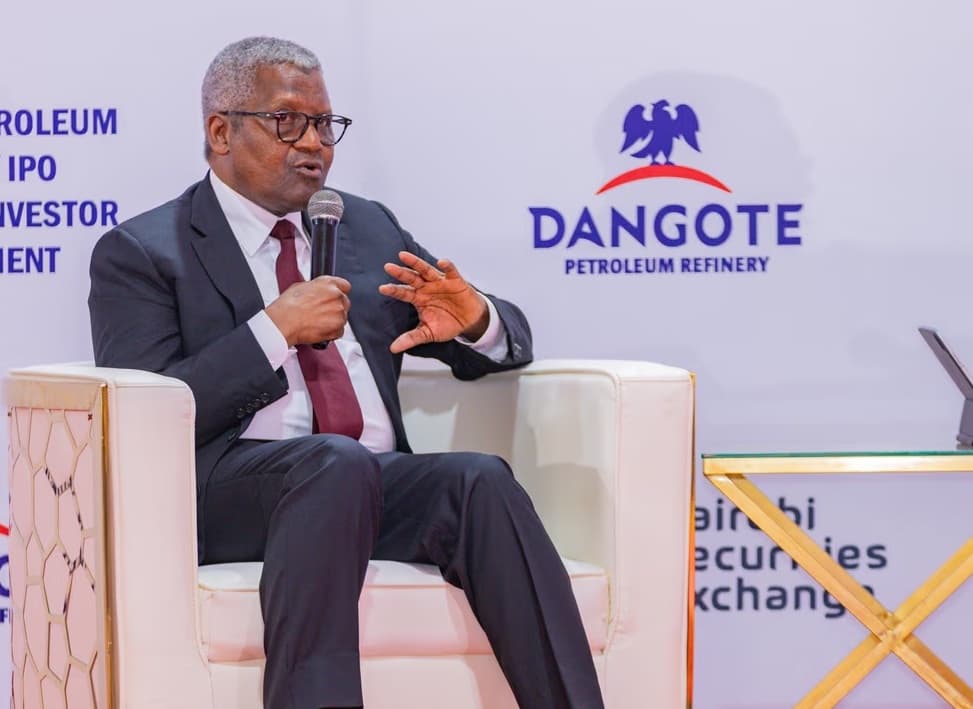
The dispute comes at a crucial moment for the proposed Dangote East African Refinery, whose groundbreaking is scheduled for September 30. The project has been presented as one of the largest industrial investments proposed for Kenya and could significantly expand the country's role in regional petroleum refining.
The residents have sued several government institutions alongside Dangote Industries and contractors associated with the development. Respondents include the Office of the President, Defence Cabinet Secretary, State Department for Lands and Physical Planning, Attorney General, National Land Commission, LAPSSET Corridor Development Authority and Lamu County Government.
At the centre of the dispute is the residents' claim to the land and whether the government and project developers have followed the law in preparing it for development. Their case raises questions surrounding land rights, compensation, resettlement and the procedures required before communities can be displaced by large infrastructure projects.
The residents want the court to intervene before development proceeds on the contested land. Their application does not mean the refinery itself has already been stopped, and the underlying claims have yet to be determined by the court.
The legal action follows growing scrutiny from civil society organisations in Lamu and Mombasa. Earlier in September, groups led by Muslims for Human Rights called for greater assurances about the project's impact on communities, saying they were not opposed to investment but wanted residents' safety and interests adequately protected.
The controversy is emerging against the backdrop of an enormous proposed investment. Recent reporting has valued the refinery project at approximately Sh2 trillion to Sh2.2 trillion, although figures have varied depending on the scope and financing arrangements being referenced.
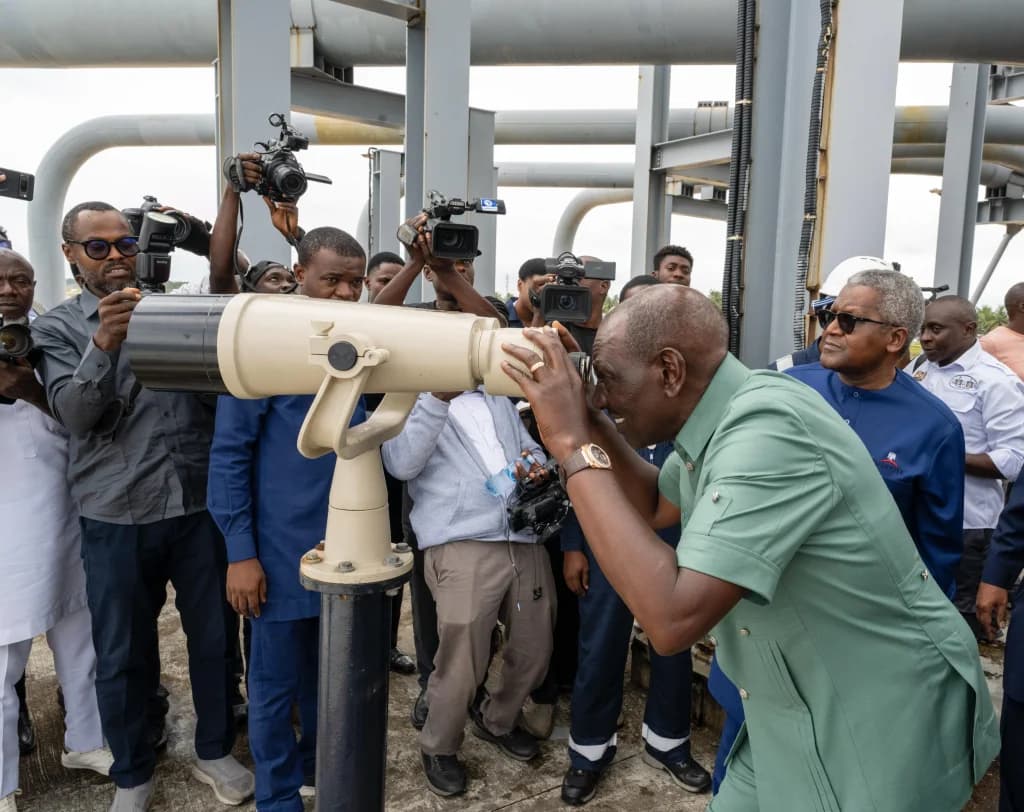
President William Ruto has strongly supported the development. On September 25, he toured Dangote's existing refinery in Lekki, Nigeria, after an invitation from billionaire businessman Aliko Dangote and ahead of the planned Lamu groundbreaking.
The Nigerian facility has a refining capacity of about 700,000 barrels of crude oil per day, according to the presidency. The government hopes the proposed Lamu development can similarly create a major petroleum processing centre serving Kenya and the wider East African market.
Kenya currently imports large quantities of refined petroleum products, exposing consumers and businesses to international prices, shipping costs and disruptions in global energy markets. A large domestic refinery could potentially change part of that equation if it becomes commercially operational at the scale being proposed.
The project is also expected to form part of the wider industrial development of Lamu, where the government has invested heavily in the Lamu Port and the broader LAPSSET corridor.
Regional participation has additionally been proposed. Kenya has reportedly been offered a 10 per cent equity position in the refinery, while Rwanda and Ethiopia have also been offered opportunities to participate in the project as part of a wider regional ownership structure.
For residents challenging the development, however, the scale of the investment does not eliminate questions surrounding land ownership and community rights.
Large infrastructure projects in Kenya have repeatedly encountered disputes where land required for development overlaps with areas occupied by communities under formal, customary or disputed tenure arrangements. Such cases can become particularly complex where families say they have lived on land for generations without conventional title documentation.
The Lamu case will therefore test how the proposed refinery proceeds while those competing interests are considered.
For the government and Dangote Industries, the refinery represents a potentially transformative investment in Kenya's energy and industrial sectors. For the Chandavai residents who have gone to court, the immediate issue is more fundamental: whether development can proceed on land they consider their ancestral home without first resolving their claims.
With the groundbreaking planned for September 30, the legal challenge has placed land rights at the centre of a project that had largely been promoted through the lenses of investment, jobs, industrialisation and energy security.