Venezuela has officially authorised Elon Musk's satellite internet service, Starlink, to operate across the country following an agreement between the government and the American aerospace company SpaceX. The decision marks an important development for the South American nation's telecommunications industry as authorities seek to expand internet connectivity and modernise digital infrastructure.
Interim President Delcy Rodríguez's administration confirmed the authorisation on Friday, October 9, 2026, following regulatory approval by Venezuela's National Telecommunications Commission, known as Conatel. The agreement establishes a formal framework for Starlink to provide satellite internet services throughout the country under Venezuelan telecommunications regulations.
According to the regulator, SpaceX's Venezuelan subsidiary, SpaceX VZ S.C.A., received a general operating authorisation alongside seven concessions covering the Ku-band radio spectrum. The approvals allow the company to operate legally nationwide while maintaining a registered presence in Venezuela and complying with local regulatory oversight.
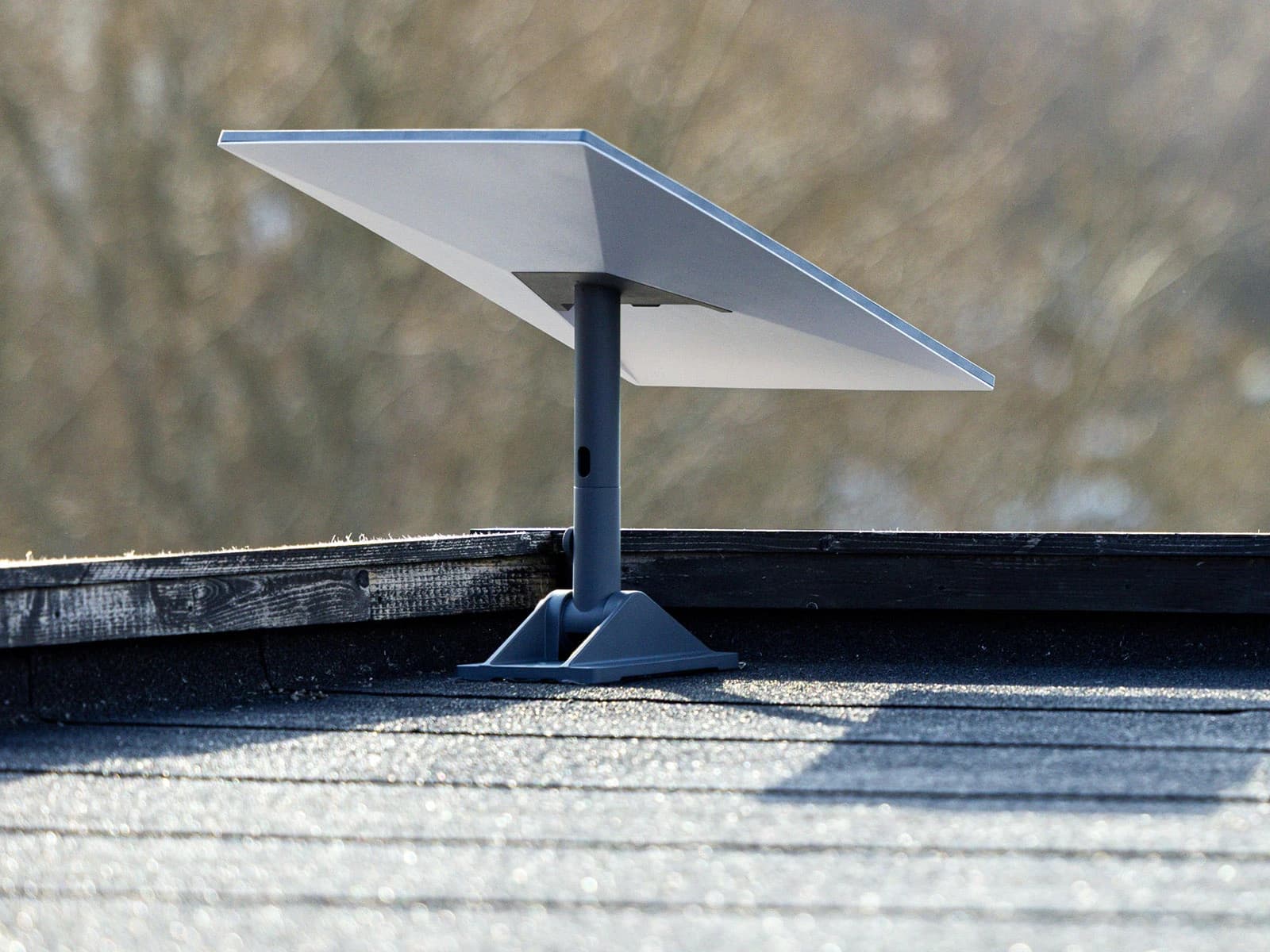
The development represents a significant opportunity for Starlink, which has been expanding its satellite internet operations across international markets. Unlike traditional broadband networks that depend heavily on fibre-optic cables and terrestrial infrastructure, Starlink uses a constellation of low-Earth-orbit satellites to deliver internet connectivity, including to areas where conventional telecommunications services are limited or unavailable.
For Venezuela, the technology could provide an alternative means of connecting rural communities, remote businesses and institutions that face challenges accessing reliable internet services. Satellite connectivity may also help improve communications resilience during emergencies, particularly when terrestrial networks are damaged or disrupted.
The authorisation follows earlier cooperation between Venezuelan telecommunications authorities and SpaceX after powerful earthquakes struck the country on June 24, 2026. The disaster severely damaged telecommunications infrastructure in La Guaira state, creating an urgent need for alternative communication services to support emergency responders and affected communities.
During the emergency response, Venezuelan authorities granted temporary permits allowing SpaceX to test satellite communication equipment. These trials included Starlink's direct-to-device technology, which enables compatible mobile devices to communicate through satellites without relying entirely on conventional mobile network infrastructure.
Conatel reported that the tests successfully supported text messaging through Venezuela's three mobile operators using satellite connectivity. The regulator said the technology demonstrated its usefulness during the emergency, helping establish the technical foundation for subsequent discussions about permanent commercial operations.
Starlink also contributed to disaster response efforts by distributing more than 1,600 connectivity kits to support rescue teams, medical personnel and humanitarian organisations in affected areas, according to information reported by Spain's EFE news agency. The deployment demonstrated how satellite internet infrastructure could supplement conventional networks during periods of disruption.
Following the emergency response, SpaceX representatives held discussions with Venezuelan telecommunications authorities to understand the country's regulatory requirements. These engagements eventually led to the company's formal application for operating authorisation and the concessions announced this week.
The agreement also carries broader economic implications. Reliable internet connectivity is increasingly essential for businesses, educational institutions, healthcare providers and government services. Expanding access to satellite broadband could support digital commerce, remote learning and communication services in communities where terrestrial infrastructure remains inadequate.
However, regulatory approval does not automatically guarantee affordable internet access for every Venezuelan household. The cost of satellite equipment, monthly subscriptions, local distribution arrangements and service availability will influence how widely consumers and businesses adopt the technology.
The move also reflects a notable change in relations between Venezuela's leadership and Musk's business interests. Former President Nicolás Maduro previously clashed publicly with Musk during political tensions surrounding Venezuela's disputed 2024 presidential election. The latest agreement signals a more practical approach to cooperation with the American technology company under Rodríguez's interim administration.
For SpaceX, Venezuela represents another market in its expanding global satellite internet business. Starlink has continued developing services for residential customers, enterprises, aviation, maritime operations and government organisations, supported by the deployment of additional satellites.
Venezuela's decision comes as governments increasingly recognise satellite connectivity as a complement to conventional telecommunications infrastructure. While fibre-optic and mobile networks remain essential for providing widespread internet access, satellite services can offer additional coverage and resilience in difficult geographical conditions.
The immediate priority will be translating regulatory approval into accessible commercial services. Authorities and SpaceX will need to establish practical arrangements for equipment distribution, subscriptions, customer support and compliance with national telecommunications requirements.
With Starlink now formally authorised to operate nationwide, Venezuela has taken a significant step towards diversifying its internet infrastructure. The success of the initiative will ultimately depend on whether the new service delivers reliable and affordable connectivity to communities and businesses that need it most.