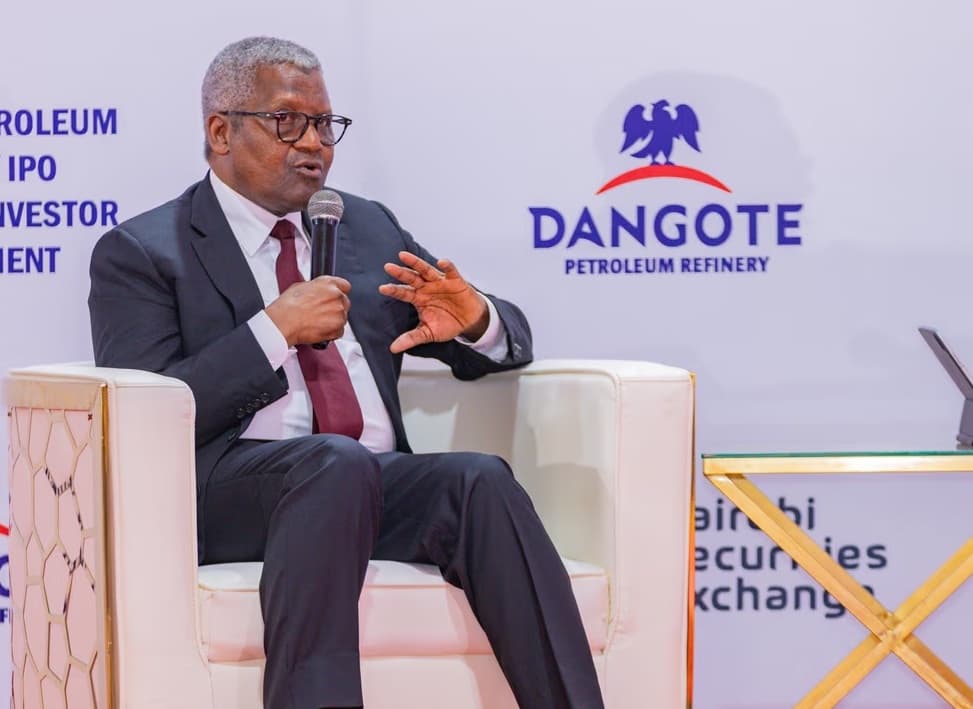
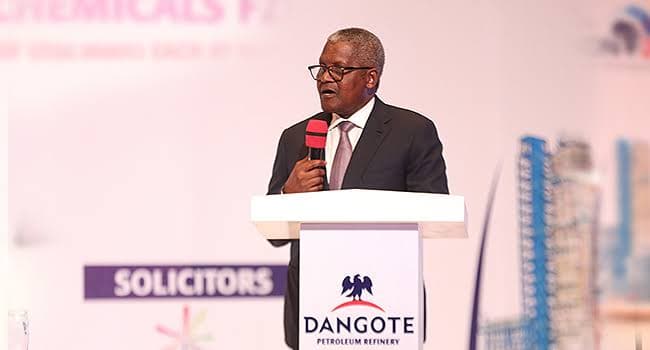
Ethiopia has introduced strict investment restrictions on the initial public offering (IPO) of Dangote Petroleum Refinery and Petrochemicals, limiting participation to qualified investors as Nigerian billionaire Aliko Dangote seeks to expand ownership of one of Africa's largest industrial projects.
The Ethiopian Capital Market Authority (ECMA) announced the restrictions in a public notice dated October 13, 2026, clarifying that the proposed securities offering cannot be marketed or sold to the general public in Ethiopia.
The regulator explained that the investment opportunity must comply with the country's existing capital market laws, which establish specific eligibility requirements for investors participating in certain securities offerings.
Under the directive, only individuals and institutions meeting the legal definition of qualified investors may participate. The authority also restricted the number of eligible investors to 100 unless additional regulatory approval is obtained.
Financial intermediaries and organisations involved in distributing the securities must verify the eligibility of prospective investors before accepting their applications. They are also required to maintain documentation demonstrating that participants meet the necessary qualifications.
The regulator further directed that promotional materials and investment documents clearly communicate that the offering is not available to ordinary retail investors in Ethiopia. Any unauthorised marketing or distribution could attract regulatory action.
ECMA emphasised that permitting qualified investors to participate should not be interpreted as an endorsement of the investment or a guarantee of financial returns. Prospective investors remain responsible for evaluating the risks associated with the refinery and its proposed share offering.
The restrictions come as Dangote Petroleum Refinery pursues an ambitious fundraising programme intended to broaden ownership and support future expansion.
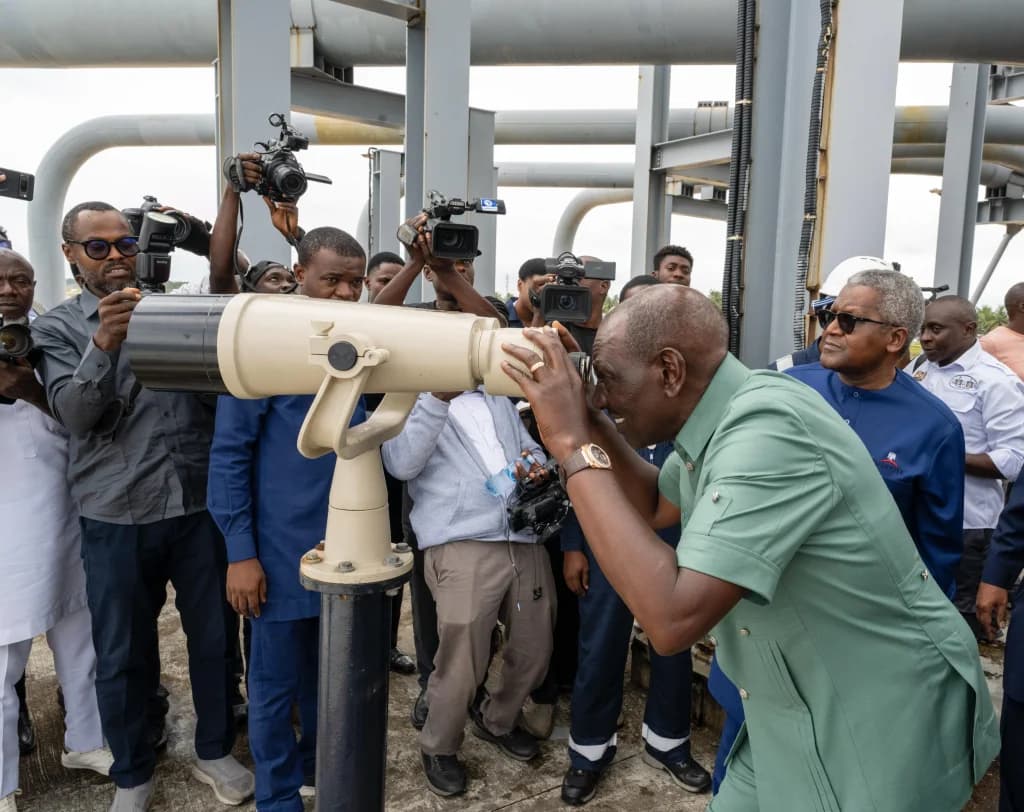
The Nigerian refinery, located near Lagos, has a processing capacity of approximately 700,000 barrels of crude oil per day. The facility has become an important part of Nigeria's efforts to reduce dependence on imported refined petroleum products and strengthen domestic industrial production.
The company is seeking to raise approximately $1.6 billion through the IPO, with the potential amount increasing to about $2.1 billion if an additional share allocation is exercised.
The offering was initially scheduled to close on October 13, but the application period has been extended to October 27, 2026, following regulatory approval in Nigeria.
The extension is intended to provide prospective investors with additional time to complete registration, identity verification and other procedures required to participate.
Dangote's fundraising initiative has attracted interest beyond Nigeria, reflecting growing demand for opportunities to invest in major African infrastructure and industrial projects.
However, different regulatory requirements across African countries have created challenges for investors seeking to participate in the same offering.
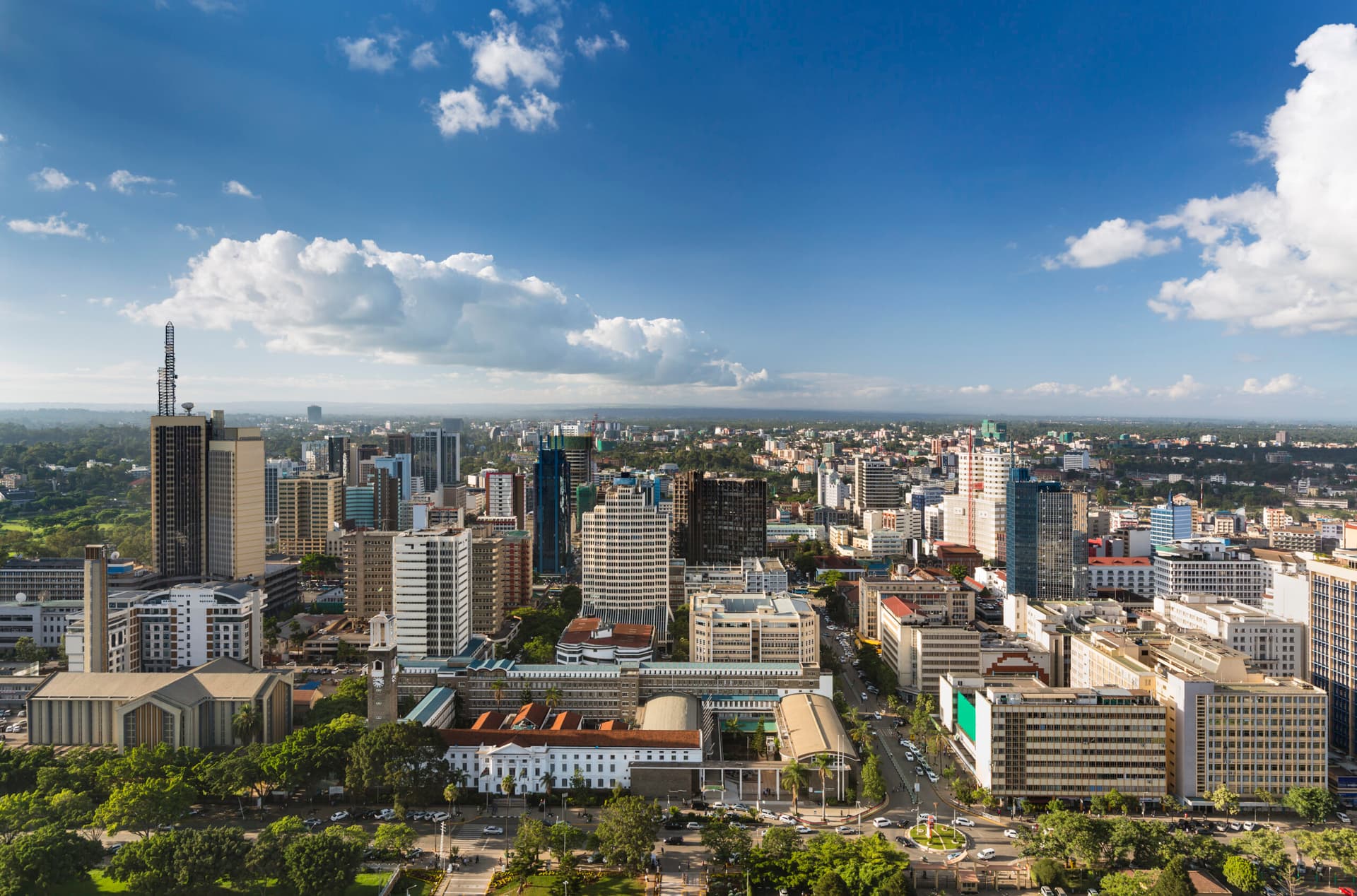
Uganda has also introduced restrictions limiting participation to high-net-worth individuals and professional investors. Kenya, meanwhile, has pursued a different regulatory approach involving mechanisms designed to facilitate participation through authorised capital market intermediaries.
The differences highlight the challenges of conducting cross-border securities offerings in African markets, where investment regulations, disclosure requirements and investor eligibility standards vary considerably.
For Ethiopia, the latest restrictions reflect an effort to protect investors while ensuring that foreign securities offerings operate within the country's developing capital market framework.
Although the rules prevent ordinary Ethiopian investors from accessing the IPO through a public offering, qualified investors may still participate if they satisfy the relevant requirements.
The development does not amount to a complete ban on investment in Dangote Refinery. Instead, it limits the categories of investors who can legally access the securities within Ethiopia.
As the October 27 deadline approaches, attention will increasingly focus on investor participation across Africa and the company's ability to attract sufficient capital to support its expansion ambitions.
Ethiopia's decision illustrates the regulatory challenges facing large African companies seeking investment from multiple countries. While Dangote Refinery aims to broaden ownership across the continent, participation will continue to depend on the investment rules established by individual national regulators.