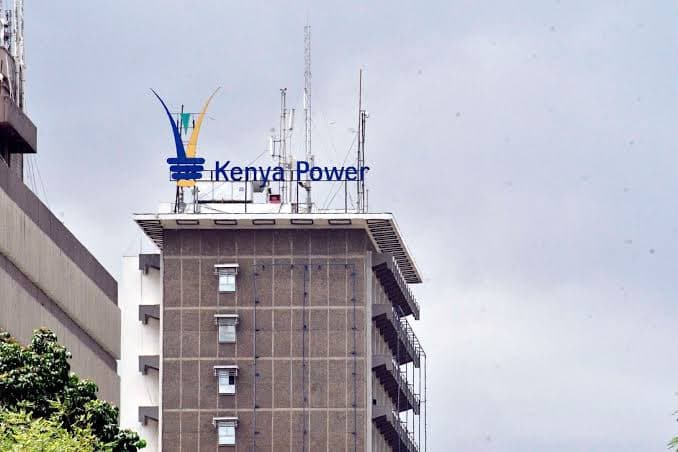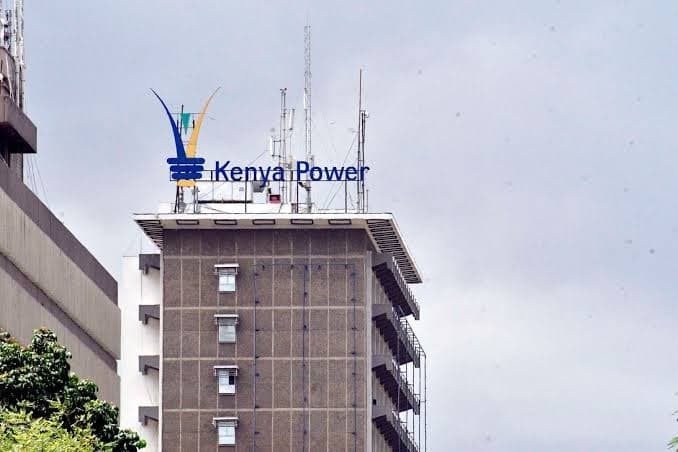

Kenya Power hired 1,154 employees during the financial year ended June 2026 as the electricity distributor expanded its workforce to support growing demand and continued investment in the national grid.
The recruitment included 435 engineers, giving the utility additional technical capacity as it expands electricity connections and undertakes grid modernisation projects across the country.
The hiring drive comes as Kenya Power's customer base has grown to approximately 10.4 million customers.
During the year ended June 2026 alone, the company added 411,710 new customers, increasing the number of connections its workforce must operate, maintain and support.
The expansion creates additional demand for engineers and other technical personnel responsible for electricity distribution infrastructure, including substations, transformers, power lines and increasingly digital grid-management systems.
Kenya Power has separately confirmed that 426 young engineers recently completed the first phase of its Graduate Trainee Programme.
The engineers underwent four months of intensive classroom training at the company's Institute of Energy Studies and Research before moving to a five-month regional field rotation.
Of the 426 graduate engineers, 328 specialised in electrical engineering, while the remainder came from disciplines including geospatial, mechatronics, mechanical and civil engineering as well as information and communications technology.
Kenya Power Managing Director and CEO Joseph Siror said the new engineers would strengthen the company's technical capacity and support its strategic objectives.
Their deployment comes at a time when Kenya Power is investing more heavily in grid modernisation and digitalisation.
The company has identified technology, smart metering, automation, revenue protection and improved customer service among the areas expected to shape the next stage of its operations.
The workforce expansion also coincides with stronger electricity demand.
Kenya Power's electricity sales increased 12.05 per cent to 12,777 gigawatt-hours during the financial year ended June 2026, while distribution and transmission efficiency improved from 78.79 per cent to 81.42 per cent.
The utility spent approximately Sh28 billion on capital projects during the year as it continued expanding and strengthening its network.
A larger technical workforce could become increasingly important as the electricity system grows more complex.
Beyond traditional electrical engineering, modern electricity networks increasingly rely on telecommunications, data systems, geospatial technology, cybersecurity, automation and smart meters to monitor infrastructure and manage electricity flows.
Kenya Power has said the knowledge and skills brought by its young engineers will support efforts to use technology and innovation to improve service delivery.
For jobseekers, however, the 1,154 figure represents employees who were already recruited during the year ended June 2026. It should not be interpreted as an announcement that Kenya Power currently has 1,154 vacant positions.
Current vacancies would instead need to be confirmed through Kenya Power's official recruitment channels.
The latest workforce expansion nevertheless highlights the scale of human resources required as Kenya connects more households and businesses to electricity while upgrading an increasingly digital national grid.