The 2029 World Athletics championships are scheduled to set off in September 2029 in Nairobi Kenya at the Moi International Sports Centre, Kasarani, running for a duration of 10 days. The official dates for the kick off have not yet been confirmed. Kenya will mark a historical milestone as it will be the first country in Africa to host the World Athletics championships.
When Nairobi was awarded the event.
The selection was officially announced on Tuesday, 15 September 2026 by the World Athletics President Sebastian Coe, following the 242nd World Athletics Council Meeting held in Budapest, Hungary. Nairobi secured the rights to host the championships after winning a highly competitive bidding process against competing bids from London, Rome and Munich.
Why the event matters to Kenya.
The event is far more than an ordinary championship for Kenya. It represents a historic opportunity to end a decades-long wait since the World Athletics Championships were first held in Helsinki, Finland, in 1983. By bringing the global showpiece to Kenyan soil in 2029, the country will place Africa at the heart of global track and field, marking a defining moment for the continent’s athletics history.
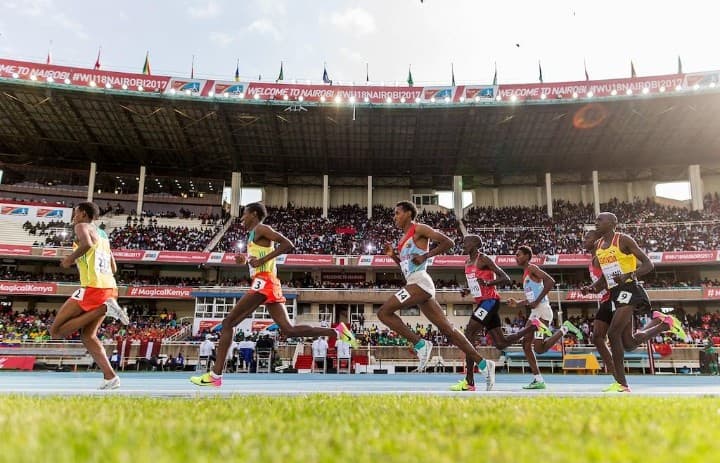
On the other side, Kenya is a powerhouse in athletics, holding 72 world championship gold medals and 38 Olympic gold medals with the help of Kenyan icons such as Faith Kipyegon, David Rudisha, Beatrice Chebet, Mary Moraa and many more. Kenya had a better experience hosting the Under-18 Championships in 2017 and Under-20 Championships in 2021 at the Moi International Sports Centre, Kasarani.
The 10-day championship is also expected to boost sports tourism and stimulate economic growth across the country. With athletes, officials, fans and international visitors expected to travel to Kenya, local hotels, restaurants and transport services could experience increased demand, creating business opportunities and generating revenue for the local economy.
Kenya's athletics culture.
Kenya has built a strong reputation in international athletics, particularly in distance running. Its success at global competitions has made the country a powerhouse in the sport, making the 2029 championships an opportunity to showcase its rich sporting heritage.
Global Championship Achievements.
At the 2025 World Athletics Championships in Tokyo, Kenya won seven gold medals and 11 medals overall, finishing second in the medal table. This performance raises expectations for the team ahead of the 2029 home championships.
Inspiring Young Athletes.
Hosting the championships could inspire young Kenyans to pursue athletics by allowing them to watch the world’s best competitors on home soil. Continued support for young talent will be essential to turn that inspiration into future success.
Training and Talent Development.
Kenya will need quality training facilities, experienced coaches and strong grassroots programmes to sustain its athletics success. Investing in young athletes will help develop future champions beyond the 2029 championships.
The redevelopment of Moi International Sports Centre, Kasarani
The Moi International Sports Centre, Kasarani is currently undergoing redevelopment in preparation ahead of the 2029 World Athletics championships. Key stadium upgrades include:
• The Pitch: Complete stripping of the playing surface for a new advanced hybrid Bermuda-grass pitch and updated drainage systems.
• Hospitality & Seating: The addition of luxury skyboxes, modern VVIP/VIP pavilions, and new individual spectator seats all around.
• Stadium Tech: Installation of modern canopy covers, international-standard floodlighting, access control systems, and upgraded media facilities.
The Kenyan government has pledged its full financial and institutional support to deliver a historic 2029 World Athletics Championships, the very first edition of the sport's flagship global event to be staged on African soil.
How the event could affect ordinary Kenyans.
Hosting the 2029 World Athletics Championships will be a double-edged sword for ordinary Kenyans. While the historic event is expected to inject massive revenue into the economy, it will also heavily disrupt day-to-day life in Nairobi, particularly around the Kasarani area.
Small-scale hotels, local nyama choma joints, and budget Airbnbs will experience unmatched booking surges. Matatu operators and digital taxi drivers (Uber, Bolt, Little) will see ascending daily yields due to the massive movement of fans between central Nairobi and Kasarani.
Local vendors selling Maasai shukas, customized Kenyan running jerseys, wood carvings, and street food around central Nairobi and Kasarani will gain direct access to foreign spenders looking for authentic cultural experiences.
The championship could inspire young people to take athletics seriously. Hosting the event could strengthen opportunities for African athletes and sports administrators. On the other hand, the event could create temporary opportunities in hospitality, transport, security and event services.
Conclusion
After the final race is over, people should remember how Kenya broke a 43-year tradition of the World Athletics Championships being held outside of Africa, serving as a landmark stronghold for the entire continent's sports industry.
Kenyans should also remember the physical investments such as the modernization of the Moi International Sports Centre, Kasarani upgraded ahead of co-hosting the 2027 AFCON and 2029 World Athletics Championships. These investments remain available for future Kenyan athletes, local events, and national sports development.
Kenya has earned the opportunity to host the World, but the lasting success of Nairobi 2029 will depend on its ability to turn that opportunity into a well organised championship and a meaningful legacy for future generations.