Motorists using several major roads in Nairobi will need alternative routes on Sunday, September 27, as organisers temporarily restrict traffic along sections of the city's road network for a major cycling event.
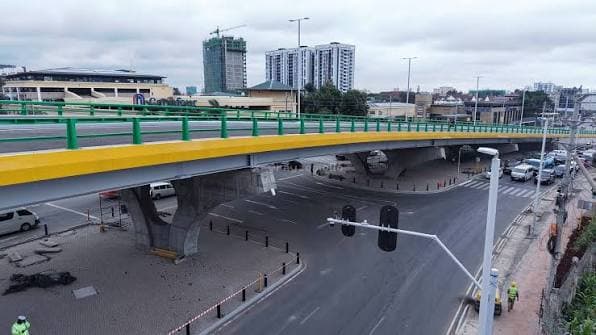
The Southern Bypass, part of Ngong Road around the Lenana Interchange and the Uhuru Gardens-Carnivore stretch are scheduled to be closed for 14 hours as the Grand Nairobi Race takes place.
The closures are expected to begin at midnight and remain in force until 2pm on Sunday, creating potentially significant disruptions for motorists travelling through the affected areas during the morning and early afternoon.
Drivers who normally use the routes have consequently been advised to plan their journeys in advance and use alternative roads where possible. The Southern Bypass is particularly important because it allows motorists to move between different parts of Nairobi without travelling through the central business district, meaning a lengthy closure could shift additional traffic onto surrounding routes.
The affected section of Ngong Road around Lenana Interchange is another heavily used corridor serving motorists travelling between the city and neighbourhoods in western and southwestern Nairobi. Traffic around the Uhuru Gardens and Carnivore area will also be affected by the event.
The temporary restrictions are intended to provide a controlled course for cyclists participating in the Grand Nairobi Race. The event is expected to feature six categories designed for different groups, including competitive cyclists, teams, para-cyclists, families and children.
Organisers are positioning the race as more than a competitive sporting event. It is also intended to encourage cycling, physical activity and wider discussion around the role of non-motorised transport in Nairobi.
Cycling has attracted increasing attention in the capital as policymakers and transport planners consider how pedestrians and cyclists can be accommodated more safely alongside vehicles. Nairobi's heavy dependence on private cars and public road transport has contributed to persistent congestion, while limited dedicated cycling infrastructure makes travelling by bicycle difficult on many routes.
Closing major roads for an organised race gives cyclists a protected environment for the event, but the scale of the restrictions means motorists could experience delays elsewhere as traffic is redirected.
People travelling to airports, hospitals, churches, workplaces or other time-sensitive destinations on Sunday morning may therefore need to allow additional travel time, particularly if their normal route connects with the Southern Bypass or Ngong Road.
Public transport operators using affected corridors may also have to adjust their routes during the closure period.
The roads are expected to reopen after 2pm once the races have concluded and organisers are satisfied that the routes can safely return to normal traffic.
Motorists should nevertheless pay attention to instructions from traffic officers and any additional notices issued ahead of the event, since temporary diversions and traffic management measures could affect roads beyond the sections formally closed.
The Sunday restrictions will create short-term inconvenience for road users, but they will also temporarily transform some of Nairobi's busiest vehicle corridors into cycling routes as riders of different ages and abilities take part in the Grand Nairobi Race.