Artificial intelligence is set to take centre stage at the United Nations this week, with executives and representatives from leading American and Chinese AI companies joining diplomats for a high-level discussion on the technology's growing implications for international security.
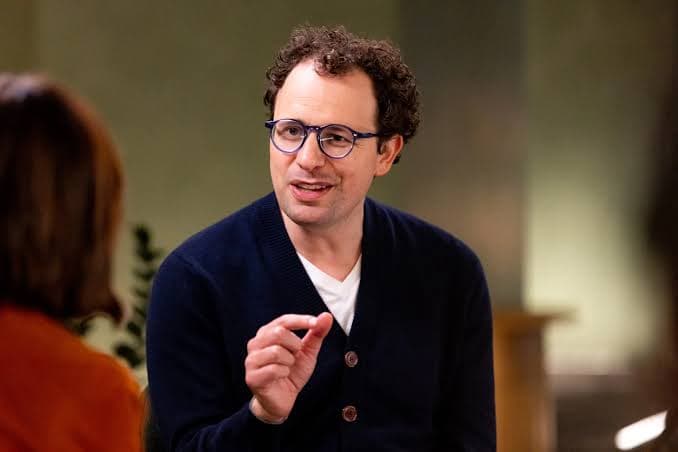
Anthropic chief executive Dario Amodei is among the technology leaders expected to participate in Wednesday's UN Security Council meeting in New York. OpenAI chief executive Sam Altman is also due to take part, while Chinese AI companies including DeepSeek and Moonshot have been invited to contribute to the discussion.
The gathering puts executives responsible for developing some of the world's most advanced AI systems directly before the 15-member body charged with maintaining international peace and security. It comes as governments face increasingly difficult questions about how rapidly advancing AI could affect cybersecurity, military systems, disinformation and the balance of technological power between nations.
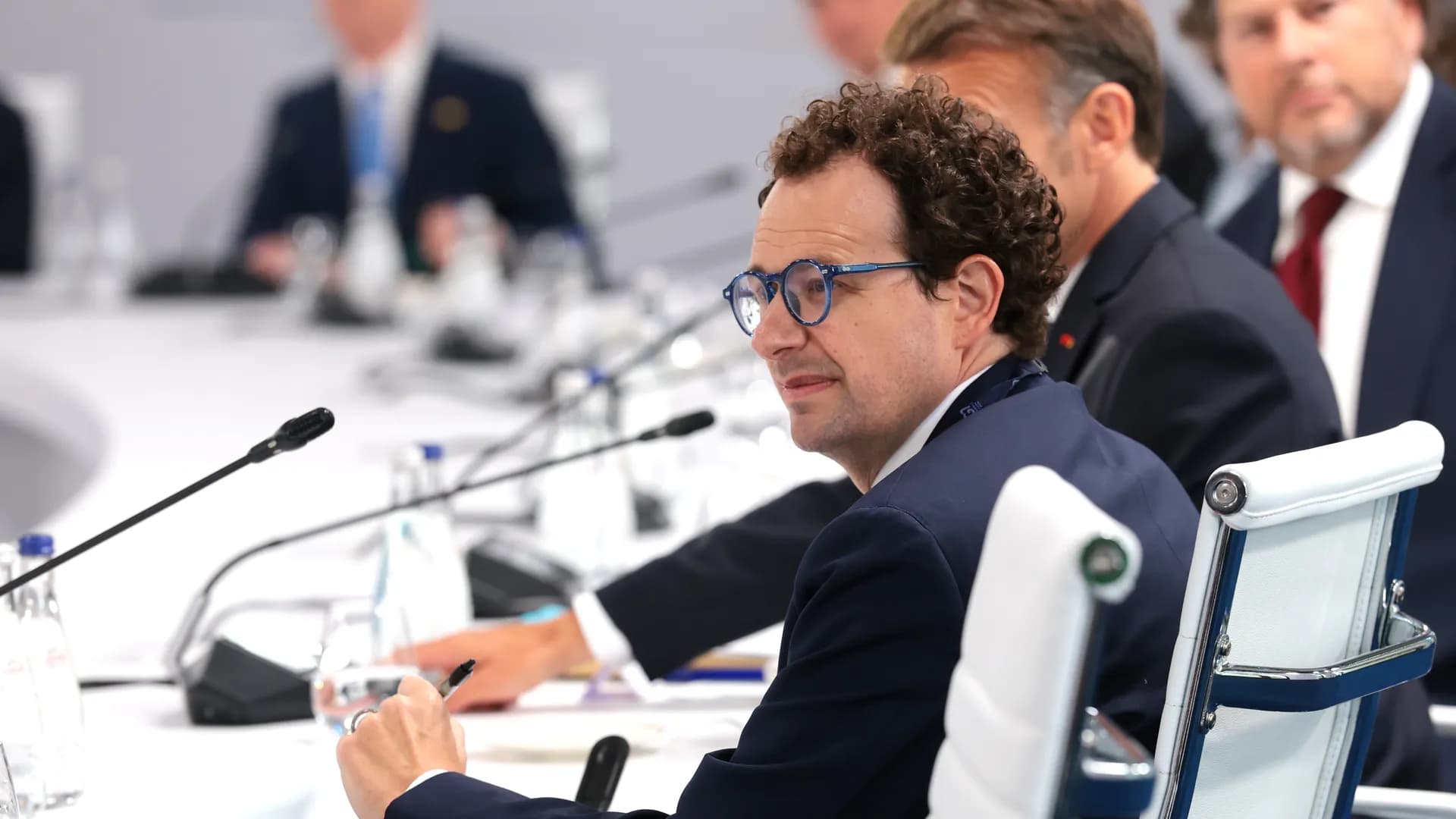
France, which holds the rotating presidency of the Security Council for September, convened the meeting. French Foreign Minister Jean-Noël Barrot is expected to chair the session as diplomats consider both the opportunities created by artificial intelligence and the risks that could emerge as systems become more capable.
The timing is particularly significant for Anthropic. Amodei has recently intensified his calls for greater caution in the development of frontier AI, arguing that improvements in model capabilities should not move faster than the industry's ability to understand and manage the associated risks.
His position has contributed to a broader debate inside the technology industry over what it means to safely develop increasingly capable systems. Amodei has advocated stronger internal safeguards, independent evaluation of frontier models and greater cooperation between leading AI companies before eventually moving towards international mechanisms for managing the most serious risks.
Those proposals have received support from some technology executives, but they have also encountered resistance. Critics, particularly among companies and policymakers outside the United States, have questioned whether slowing frontier development could reinforce the dominance of established American AI companies while making it harder for competitors to catch up.
That disagreement gives Wednesday's meeting a geopolitical dimension beyond the technical discussion about AI safety.
The United States and China are competing heavily in artificial intelligence, investing in advanced models, computing infrastructure, semiconductors and data centres. The two countries have different strategic interests in determining how international rules governing the technology eventually develop.
Chinese participation in the Security Council discussion is therefore notable. DeepSeek, which has emerged as one of China's prominent AI developers, is expected to be represented, although founder Liang Wenfeng is not expected to personally attend. Moonshot, another Chinese AI company, has also been invited.
The meeting takes place during the UN General Assembly's high-level week, when world leaders and senior government officials have gathered in New York. Artificial intelligence has become an increasingly prominent subject during those discussions as governments attempt to determine whether existing international institutions are capable of responding to the technology's rapid development.
UN Secretary-General António Guterres has called for stronger international cooperation and independent oversight of advanced AI. In his General Assembly address on Tuesday, he again urged governments to establish mechanisms capable of managing AI risks across national borders.
The Security Council has considered artificial intelligence before. It held its first formal discussion on AI and international security in 2023, when countries raised concerns ranging from autonomous weapons and misinformation to surveillance and the possibility that the technology could destabilise societies.
Three years later, the capabilities of AI systems have advanced considerably. Modern AI agents can now perform increasingly complex software development, research and autonomous tasks, intensifying discussion about what could happen as humans delegate more consequential work to machines.
Cybersecurity is one area receiving particular attention. Powerful models can help defenders identify vulnerabilities and respond to attacks, but similar capabilities could potentially be used by malicious actors to discover weaknesses, automate attacks or increase the scale of cyber operations.
Governments are also examining the implications for national security as AI becomes integrated into intelligence analysis, military planning and other sensitive systems. The concern is not simply whether AI becomes more capable, but how governments and companies maintain meaningful human oversight as automation increases.
There is no universal agreement that slowing development is the appropriate response. Some technology executives argue that existing commercial incentives and technical safeguards can manage many of the risks, while others believe governments and independent institutions will eventually need a larger oversight role.
The geopolitical competition surrounding AI makes agreement even more difficult. Washington has treated leadership in advanced AI as an economic and national-security priority, while Beijing has invested heavily in developing a domestic technology ecosystem capable of competing with American companies.
US President Donald Trump's administration has opposed broad efforts to deliberately slow American AI development, arguing that doing so could give China an opportunity to narrow the technological gap. Senior American and Chinese officials have nevertheless agreed to continue discussions specifically addressing AI safety.
Wednesday's meeting is unlikely to produce a single global framework for artificial intelligence. The divisions between governments, technology companies and researchers remain substantial, and countries have different views about how much regulation advanced AI requires.
Its significance instead lies in where the conversation is now taking place.
Artificial intelligence was once primarily discussed as a software and technology industry. It later became an economic issue as companies invested hundreds of billions of dollars in computing infrastructure and businesses began integrating AI into their operations.
It is now increasingly being discussed as an international security issue.
Bringing Anthropic, OpenAI and Chinese AI developers into the UN Security Council reflects that transition and signals that the debate over the future of advanced AI is moving beyond Silicon Valley and into the institutions where governments confront questions of global security and international cooperation.