Artificial intelligence company Anthropic is giving qualifying startups free access to some of its commercial Claude services for a year as competition among major AI companies increasingly shifts towards winning developers and businesses before they become large customers.
The expanded Claude for Startups programme gives approved companies one year of Claude Team for up to five Premium seats alongside $1,000 in Claude API credits, equivalent to about Sh130,000 at current exchange rates.
Anthropic is also offering participants access to discounts and credits from partner companies with a combined advertised value of up to $45,000, approximately Sh5.84 million, although those benefits are provided by independent participating companies rather than Anthropic itself.
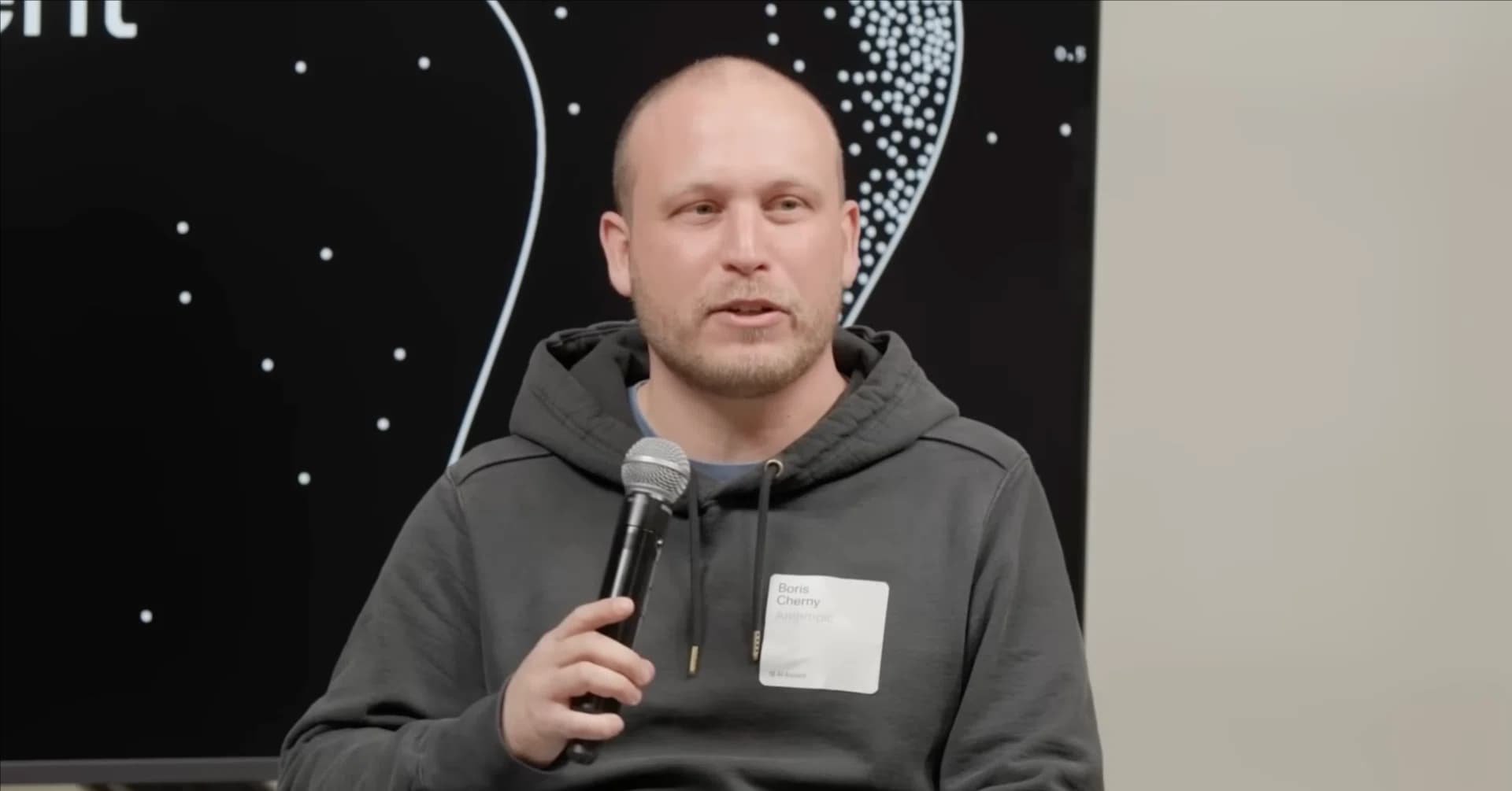
The programme was expanded during San Francisco Tech Week, where Anthropic is hosting founders and developers as it attempts to build a larger ecosystem of companies using Claude as part of their products and internal operations.
Eligibility is focused on relatively young companies. Anthropic says startups can qualify if they were founded within the past five years or received funding during the past two years, subject to the programme's terms and approval process.
The free Claude Team offer applies to organisations that are new to the Team plan and covers up to five Premium seats. That distinction matters because the programme should not be interpreted as giving startups unrestricted free access to every Anthropic enterprise product for an entire year.
The $1,000 API allocation serves a different purpose. While Claude Team gives employees access to Claude as a workplace tool, API credits allow developers to integrate Anthropic's models directly into software they are building.
A startup developing an AI customer service platform, coding product, research tool or specialised business application could therefore use the credits to experiment with Claude programmatically without immediately absorbing the full cost of model usage.
Anthropic is also giving participating founders access to virtual office hours with its Applied AI team. That could help young companies understand how to structure applications around Claude, improve prompts and agent workflows, manage model performance and make decisions about how artificial intelligence should be integrated into their products.
The company says it created the programme because it expects a significant share of AI's economic impact to reach consumers and businesses through companies built on top of foundation models rather than exclusively through the model providers themselves.
That makes startups strategically important.
The next major accounting platform, cybersecurity company, education product, healthcare application or developer tool could be built using models supplied by companies such as Anthropic, OpenAI or Google. Winning that startup early can create a customer that grows alongside the AI provider.
The strategy resembles an approach that cloud computing companies have used for years. Amazon Web Services, Microsoft Azure and Google Cloud have historically provided credits and support to startups, allowing young companies to build infrastructure cheaply before becoming paying customers as their usage grows.
AI companies can use a similar model.
A startup may consume relatively little model capacity while experimenting with an idea, but its spending can rise dramatically if the product gains thousands or millions of users. Providing credits at the beginning can therefore function as both startup support and long-term customer acquisition.
Anthropic's offer also arrives as competition among frontier AI companies increasingly extends beyond which company has the most capable model. Developers now evaluate coding ability, API reliability, pricing, context windows, agent capabilities, security and the broader ecosystem available around each provider.
Claude has developed a particularly strong presence among software developers, helped by the growth of Claude Code and the company's broader focus on agentic software development. Encouraging startups to adopt the ecosystem could deepen that position.
Participants also receive access to the Claude Startup Stack, a collection of offers from third-party companies building products used by AI-focused startups. Anthropic advertises the combined potential value of those offers at up to $45,000, although the actual value received by an individual startup will depend on which services it qualifies for and uses.
That distinction is important because the Sh5.84 million equivalent should not be interpreted as cash being handed directly to each participating founder. It represents the advertised maximum value of eligible discounts and credits across participating partners.
The same applies to the $1,000 in API credits. The benefit provides usage of Anthropic's developer platform rather than a cash payment, and programme terms determine how and when those credits can be used.
For a young company already planning to build around Claude, however, the package could reduce some of the initial cost of experimentation. Five employees could use the Team environment while developers simultaneously use the API allocation to test Claude inside the company's own product.
The programme could be particularly relevant to founders building AI-native businesses, where artificial intelligence is not simply an optional productivity tool but part of the underlying product being sold to customers.
Anthropic's decision to subsidise those companies illustrates how valuable developers have become in the AI race. The major model providers are no longer competing only for individual chatbot users or contracts with established corporations. They are also competing to become the infrastructure underneath companies that may not yet exist at meaningful scale.
For founders, that competition can translate into cheaper access to increasingly powerful technology. For Anthropic, the calculation is longer term: give startups an inexpensive way to begin building with Claude today, and some of them could become substantial customers tomorrow.